What Causes Pain Under the Ear Behind the Jaw Bone on the Right Side?
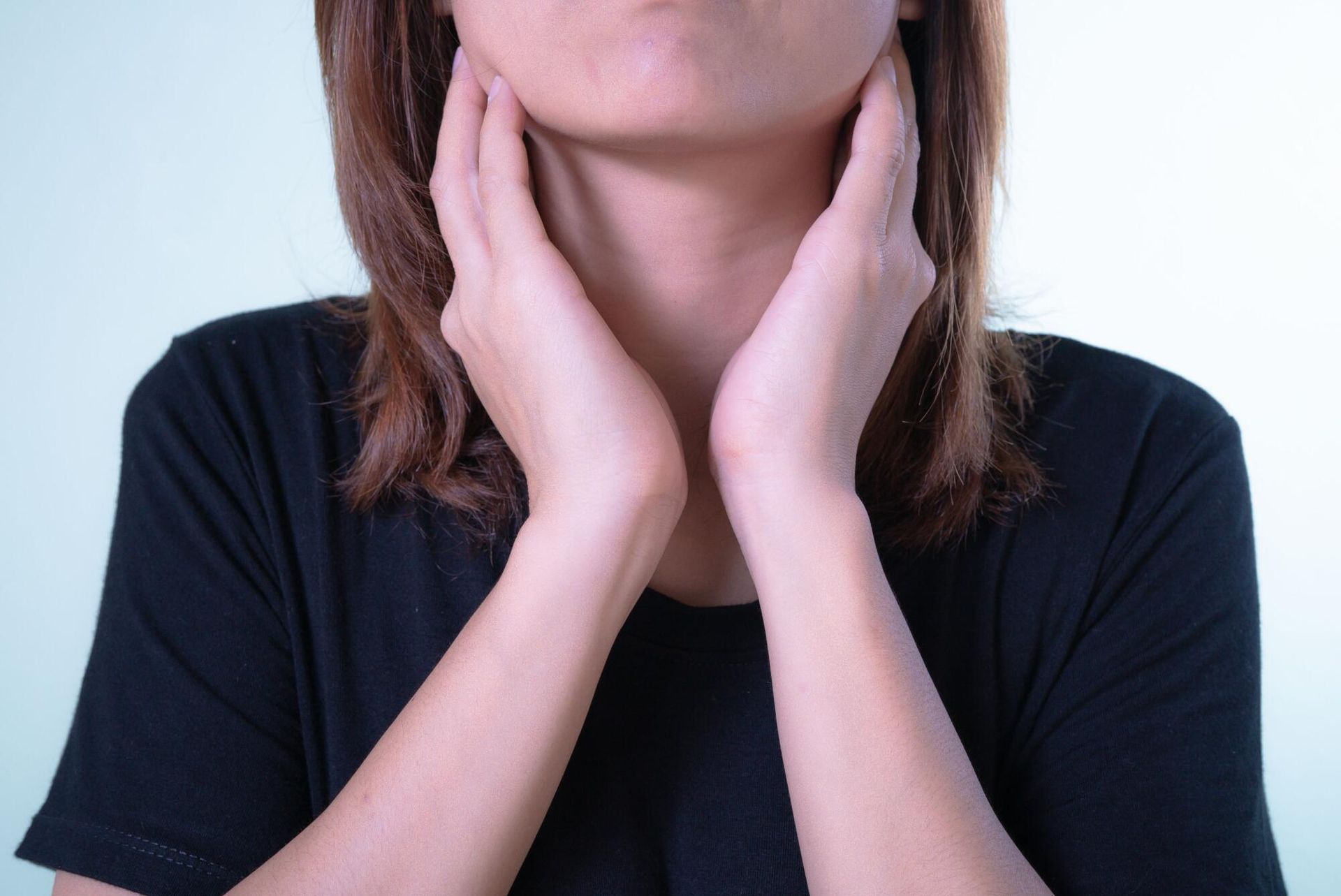
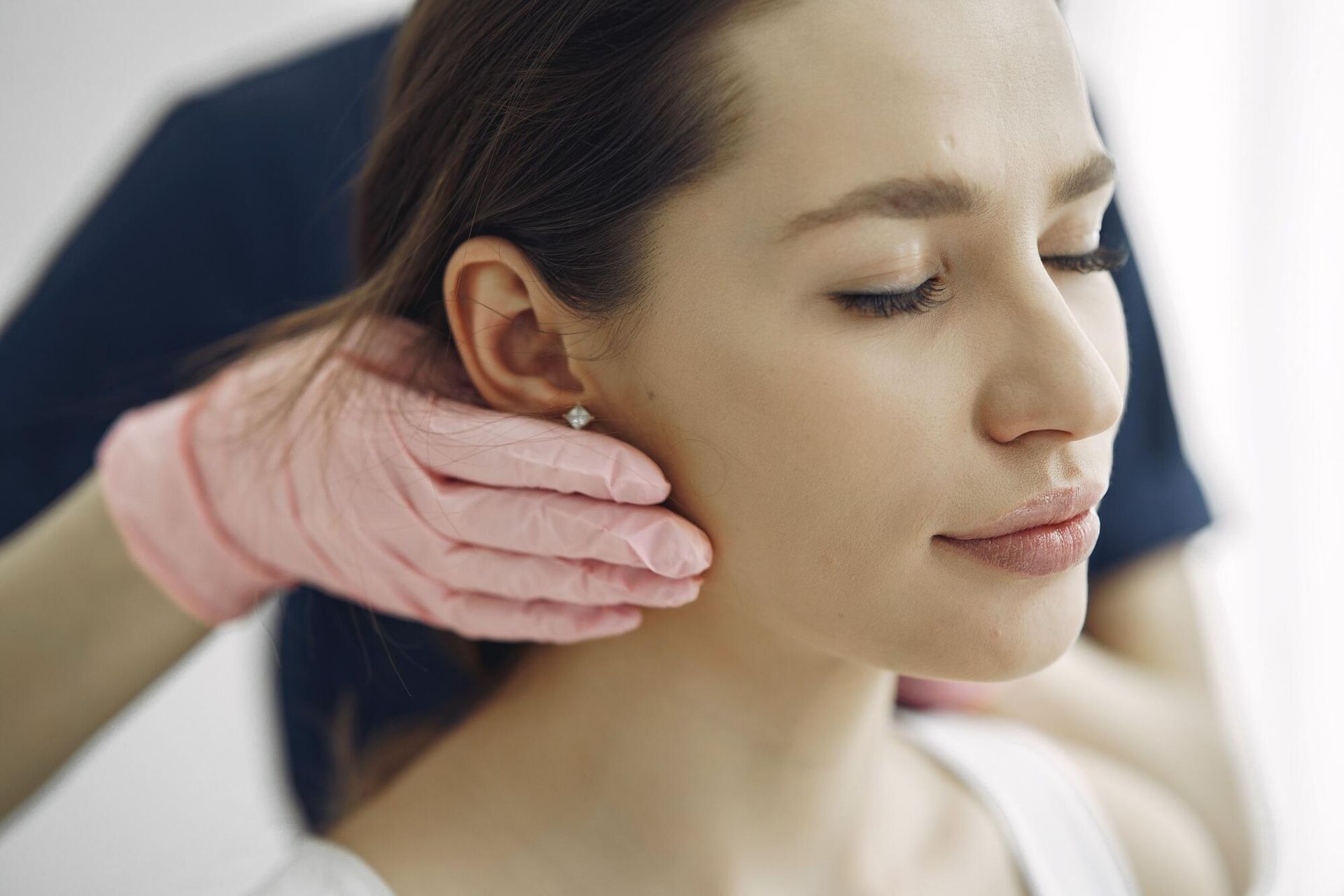
Pain under the ear behind the jawbone on the right side often comes from nearby structures such as the jaw joint, salivary glands, lymph nodes, or teeth. Common causes include temporomandibular joint irritation or dental infections. The source usually becomes clearer when symptoms like swelling, tenderness, or pain when chewing appear.
It may begin as a quick twinge while chewing or a dull ache just below the ear. That small space behind the jaw holds several important structures, so irritation in one area can quickly cause noticeable pain.
The muscles used for chewing, the jaw joint, lymph nodes, and salivary glands all sit close together behind the jawbone. When any of them become inflamed, strained, or infected, pain can develop on one side of the face near the ear. Understanding what sits in that area helps explain why this type of discomfort occurs.
Temporomandibular Joint Disorders
Temporomandibular joint disorders are one of the most common dental-related causes of pain under the ear and behind the jawbone. The temporomandibular joint connects the lower jaw to the skull and sits just in front of the ear on each side of the face.
When this joint becomes irritated, inflamed, or misaligned, discomfort can spread into nearby areas, including the:
- Ear
- Jawline
- Neck
People with TMJ disorders often notice pain when chewing, speaking, or opening the mouth widely. The joint may produce clicking or popping sounds, and some individuals feel stiffness or tightness in the jaw muscles.
TMJ Disorder Causes
Several factors can contribute to temporomandibular joint disorders. The following can all place stress on the joint structures:
- Teeth grinding during sleep
- Frequent jaw clenching
- Bite misalignment
- Joint arthritis
- Past jaw injuries
Over time, this pressure can inflame the surrounding muscles and ligaments, leading to persistent pain near the ear and behind the jaw. If you're concerned, you should consult a dentist as soon as possible.
Dental Infections
Dental infections are another common cause of pain under the ear and behind the jawbone on the right side. When bacteria enter a tooth, infection can develop around the tooth root or inside the surrounding bone. As pressure builds within the infected area, the discomfort can spread beyond the tooth and radiate toward the jaw, ear, or neck.
Infections in the back teeth are especially likely to produce this type of pain because these teeth sit close to the jaw joint and nearby nerves. The inflammation may cause throbbing pain that feels deeper than a typical toothache. Some people also experience swelling along the jawline or tenderness when biting or chewing.
Dental infections often appear alongside other symptoms that point to the underlying problem. Warning signs may include:
- Persistent tooth sensitivity
- Gum swelling
- A bad taste in the mouth
- Small pockets of pus near the affected tooth
- Facial swelling or discomfort
Impacted Wisdom Teeth
Wisdom teeth sit at the very back of the mouth, close to the jaw joint and nearby nerves. When these teeth do not have enough space to emerge normally, they may become trapped under the gums or grow at an angle, creating pressure and inflammation in the surrounding tissues.
This pressure can produce discomfort that spreads beyond the tooth itself. Many people feel soreness along the jawline, tenderness beneath the ear, or a dull ache that worsens when chewing. Because the tooth is near the jaw joint, the pain can easily radiate to the area around the ear, making it difficult to pinpoint the exact source.
Impacted wisdom teeth often cause additional symptoms that signal a developing problem. Swelling around the gums in the back of the mouth is common, and the area may feel sensitive or irritated. Some individuals notice difficulty fully opening their mouths, jaw stiffness, or a persistent ache that comes and goes over several days.
When to See a Dentist
Occasional jaw soreness may fade with rest, but certain symptoms should prompt a dental visit. Pain under the ear and behind the jawbone can sometimes signal deeper issues affecting the teeth or jaw structures. When discomfort begins to interfere with daily activities, an evaluation becomes more important. These include:
- Chewing
- Speaking
- Opening the mouth fully
Pain that continues for several days without improvement is often a reason to schedule an appointment.
Gradually increasing pressure, swelling along the jawline, or tenderness that spreads toward the neck may indicate inflammation or infection that needs treatment. Some people also notice changes such as difficulty biting down normally, pain when touching the jaw area, or discomfort that becomes stronger at night.
Treatment Options for Ear and Jaw Discomfort
Once the cause is clear, treatment focuses on reducing inflammation, relieving pressure on the jaw joint, and addressing any dental problems that may be contributing to the pain.
For jaw joint irritation or muscle strain, conservative therapies are often recommended first. Dentists may suggest using a custom night guard to prevent teeth grinding during sleep, which reduces stress on the temporomandibular joint.
The following can also help relax muscles and improve joint movement:
- Gentle jaw exercises
- Warm compresses
- Anti-inflammatory medications
If the discomfort is related to a dental infection or damaged tooth, treatment may involve procedures such as root canal therapy or removal of severely damaged teeth. Addressing the infection helps eliminate the source of pressure and prevents it from spreading to surrounding tissues.
Dentists may recommend bite adjustments or orthodontic treatment to balance how the teeth meet. Correcting uneven pressure across the bite can reduce long-term stress on the jaw joint and surrounding muscles.
Conditions Outside the Mouth That May Cause Similar Pain
Not all pain behind the jaw and under the ear begins in the teeth or jaw joint. Several medical conditions outside the mouth can produce similar symptoms because the structures of the ear, throat, and neck sit very close to the jaw. This overlap sometimes makes it difficult to determine the true source of the discomfort.
Ear infections are one possible cause. Inflammation inside the ear can create pressure that spreads into the surrounding areas of the face and jaw. People with ear-related pain may notice additional symptoms such as muffled hearing or discomfort that increases when lying down.
Throat infections can also lead to tenderness along the jawline. When tissues in the throat become inflamed, nearby lymph nodes under the jaw may swell and create soreness beneath the ear. In these situations, the pain may be accompanied by symptoms such as a sore throat, fever, or fatigue.
Frequently Asked Questions
Can Stress Cause Pain Behind the Jaw and Ear?
Stress can contribute to pain behind the jaw and near the ear because it often causes people to clench their jaw or grind their teeth without realizing it. This tension places extra pressure on the jaw joint and surrounding muscles, which can lead to soreness in the area under the ear and along the jaw line.
Stress-related jaw pain often appears with other symptoms. People may notice:
- Tight facial muscles
- Headaches near the temples
- Jaw stiffness in the morning
- Tenderness when chewing or speaking
Many individuals clench their teeth during sleep or while concentrating, which can strain the temporomandibular joint.
What At-Home Steps May Help Reduce Jaw Pain Temporarily?
Temporary jaw pain can sometimes ease with simple self-care while waiting to see a dentist. Resting the jaw is often the first step. Eating softer foods such as soup, eggs, yogurt, or smoothies helps reduce strain from chewing.
Warm compresses placed on the jaw for about fifteen to twenty minutes may relax tight muscles and improve circulation in the area. Some people also find relief from over-the-counter anti-inflammatory medication when inflammation is involved.
Avoid chewing gum, clenching the teeth, or opening the mouth very wide for a period of time. Keeping good posture can also reduce pressure on the jaw and neck muscles.
How Do I Find the Right Dentist for Jaw Pain?
Start with a dentist who regularly evaluates and treats jaw pain.
Before booking an appointment, look for signs that the practice handles more than routine cleanings. Helpful indicators include:
- Experience treating TMJ disorders or chronic jaw pain
- Diagnostic tools such as digital X-rays or bite evaluations
- Patient reviews that mention jaw pain relief or TMJ care
- Clear explanations of treatment options during consultations
What Is the Best Sleeping Position for TMJ?
Sleeping on your back is generally considered the best position for TMJ discomfort. This position helps keep the head, neck, and jaw in a neutral alignment, which reduces pressure on the jaw joint and surrounding muscles during the night.
When sleeping on your back, a supportive pillow that keeps the head slightly elevated can help maintain proper posture. Keeping the teeth slightly apart and allowing the jaw muscles to relax may also reduce overnight tension.
Pain Under the Ear Behind the Jawbone: Now You Know
Are you looking for an expert? Dr. Bernard W. Lynch, DMD, FAGD, LVIF, provides comprehensive care in Northern Virginia focused on diagnosing and treating complex jaw and dental concerns.
With advanced training from the Tufts University School of Dental Medicine, residency experience at the Hampton VA Medical Center, and advanced studies with renowned dentist Peter E. Dawson, Dr. Lynch takes a thorough approach to oral health.