Why Does My Jaw Click and Pop When I Open My Mouth?
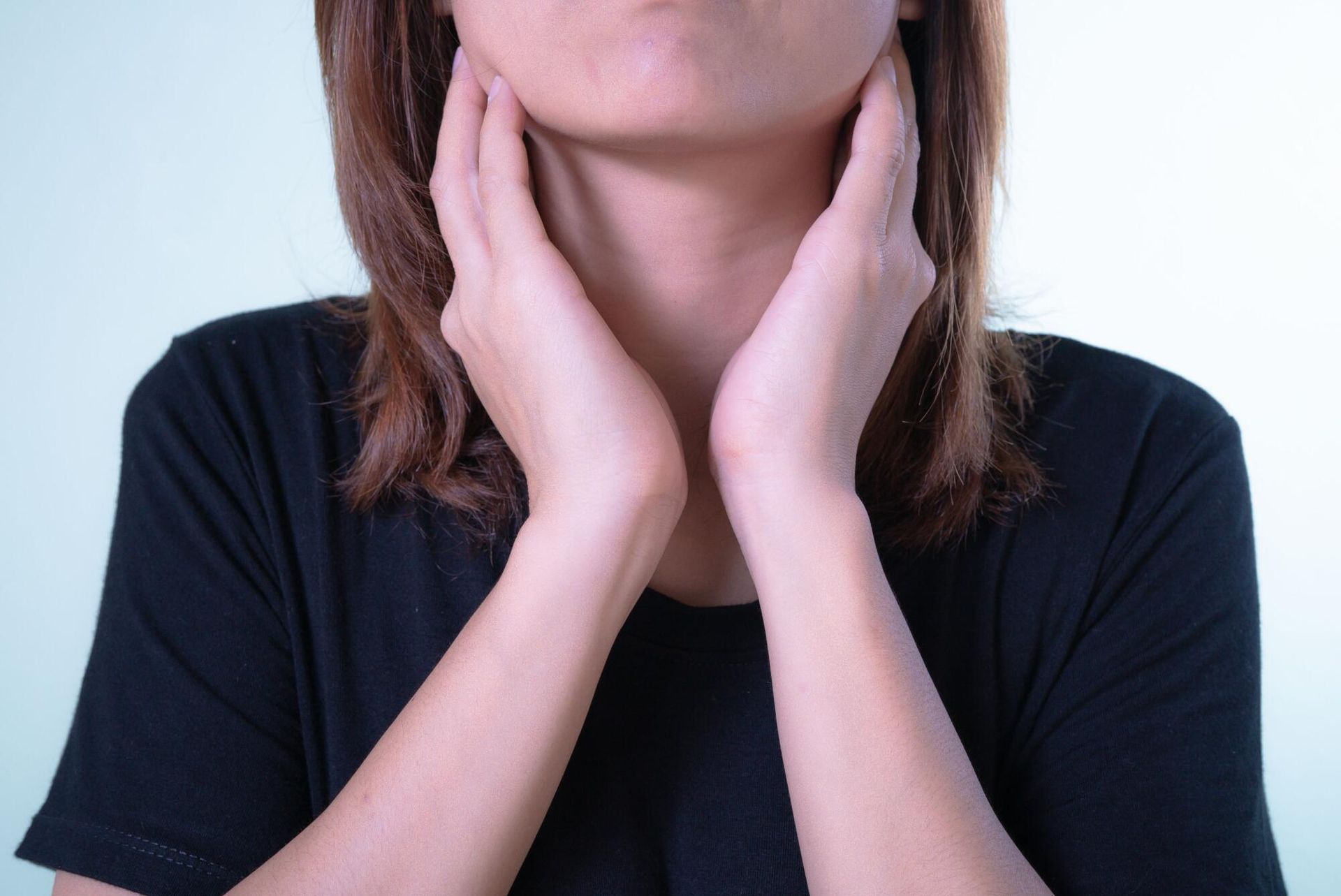
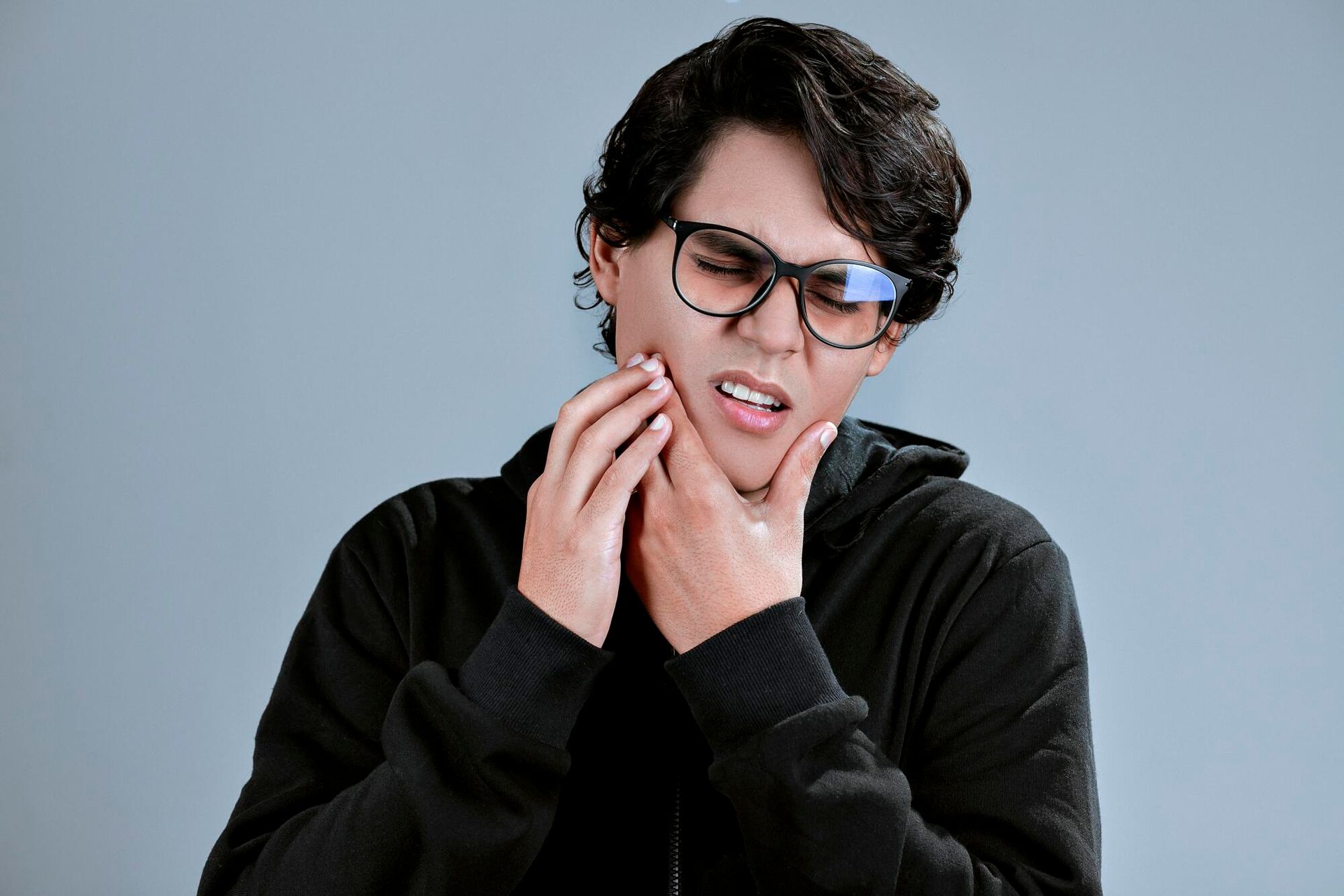
Why does my jaw pop? Jaw clicking or popping when opening your mouth usually involves the temporomandibular joint, the hinge that connects the jaw to the skull. The sound often occurs when the small cartilage disc inside the joint shifts slightly out of place and then moves back as the mouth opens. Occasional noise without pain may be harmless, but frequent popping can point to joint strain or TMJ dysfunction.
It can catch people off guard during the most routine moments. A bite of toast at breakfast. A wide yawn during a long meeting. Suddenly, there is a small pop near the ear that was never there before.
For many people, that sound becomes a pattern. Common habits can place extra pressure on the jaw joint. The clicking becomes an early signal that the joint is not gliding smoothly.
Learning what causes jaw popping helps people take action early, protect the joint, and avoid the discomfort that can develop if the problem continues.
How The Jaw Joint Works
The jaw moves through a pair of joints called the temporomandibular joints, located just in front of each ear. These joints connect the lower jaw, known as the mandible, to the temporal bones of the skull. They function as sliding hinges that allow the mouth to open, close, and shift side to side while speaking or chewing.
Inside each joint sits a small disc made of cartilage. This disc acts as a cushion between the bones and helps guide smooth movement as the jaw opens and closes. Ligaments hold the disc in place while surrounding muscles control the direction and strength of jaw movement.
When the joint moves normally, the bones and disc glide smoothly together without noise or discomfort. Clicking or popping can happen if the disc shifts slightly during motion or if the joint momentarily moves out of its usual path.
TMJ Disorders
Temporomandibular joint disorders are one of the most common reasons people notice clicking or popping in the jaw. These conditions affect the joint that connects the lower jaw to the skull, as well as the muscles that control jaw movement.
When the joint becomes irritated or the small disc inside it shifts out of position, the jaw may produce a clicking sound during normal movements such as opening the mouth, chewing, or speaking.
In many TMJ cases, the cushioning disc inside the joint does not stay perfectly aligned as the jaw moves. When the mouth opens, the lower jaw may briefly slide over the edge of the disc before the disc moves back into place. That motion often creates the clicking or popping sound people hear near the ear.
TMJ disorders can also cause additional symptoms beyond the sound itself. Some people experience jaw soreness, facial muscle fatigue, headaches, or stiffness when opening the mouth wide. Others may feel the jaw catch or briefly lock during movement. These symptoms can develop gradually and may become more noticeable during periods of stress, heavy chewing, or teeth grinding.
Teeth Grinding And Jaw Clenching
Teeth grinding and jaw clenching are common causes of clicking or popping in the jaw. This habit places repeated pressure on the temporomandibular joint and the muscles that control jaw movement. Many people grind their teeth during sleep. Others clench their jaw throughout the day during periods of concentration or stress without realizing it.
Over time, this constant pressure can strain the jaw joint and surrounding muscles. The added tension may affect how the joint moves when opening or closing the mouth, which can create the clicking or popping sound people notice. Some individuals also wake up with jaw soreness, headaches near the temples, or stiffness when chewing.
Dentists often recognize signs of grinding during routine exams.
- Flattened tooth surfaces
- Worn enamel
- Increased tooth sensitivity
- Indentations along the edges of the tongue
- Morning headaches or jaw stiffness
All of these can indicate ongoing clenching or grinding.
Injury and Jaw Alignment Changes
Injuries to the face or jaw can sometimes lead to clicking or popping sounds when opening the mouth. Even a minor impact from a fall, sports activity, or accident may affect the way the temporomandibular joint moves.
Jaw alignment can also shift gradually over time due to dental changes.
- Missing teeth
- Uneven tooth wear
- Bite problems
- Changes in dental restorations, such as crowns or fillings
- Gum recession that affects tooth stability
- Age-related changes in the bite
These may alter the way the upper and lower teeth come together. These structural changes do not always cause pain, but they can affect how smoothly the joint functions.
Dental Health Tips: Maintenance
Maintaining good jaw health can help reduce the chances of persistent clicking or popping in the temporomandibular joint. Because the jaw moves constantly throughout the day while speaking, chewing, and swallowing, small habits can influence the amount of strain the joint experiences. Paying attention to daily routines and avoiding unnecessary pressure on the jaw may help keep the joint functioning smoothly.
Simple lifestyle adjustments can make a difference.
- Limiting very hard or chewy foods
- Avoiding frequent gum chewing
- Being mindful of clenching during stressful moments
- Keeping the teeth slightly apart when the mouth is at rest to avoid unnecessary pressure
- Practicing relaxation techniques that reduce facial muscle tension
These tips can reduce stress on the jaw muscles. Maintaining good posture while working at a desk or looking at a phone can also help prevent tension that travels from the neck into the jaw.
Treatment Options
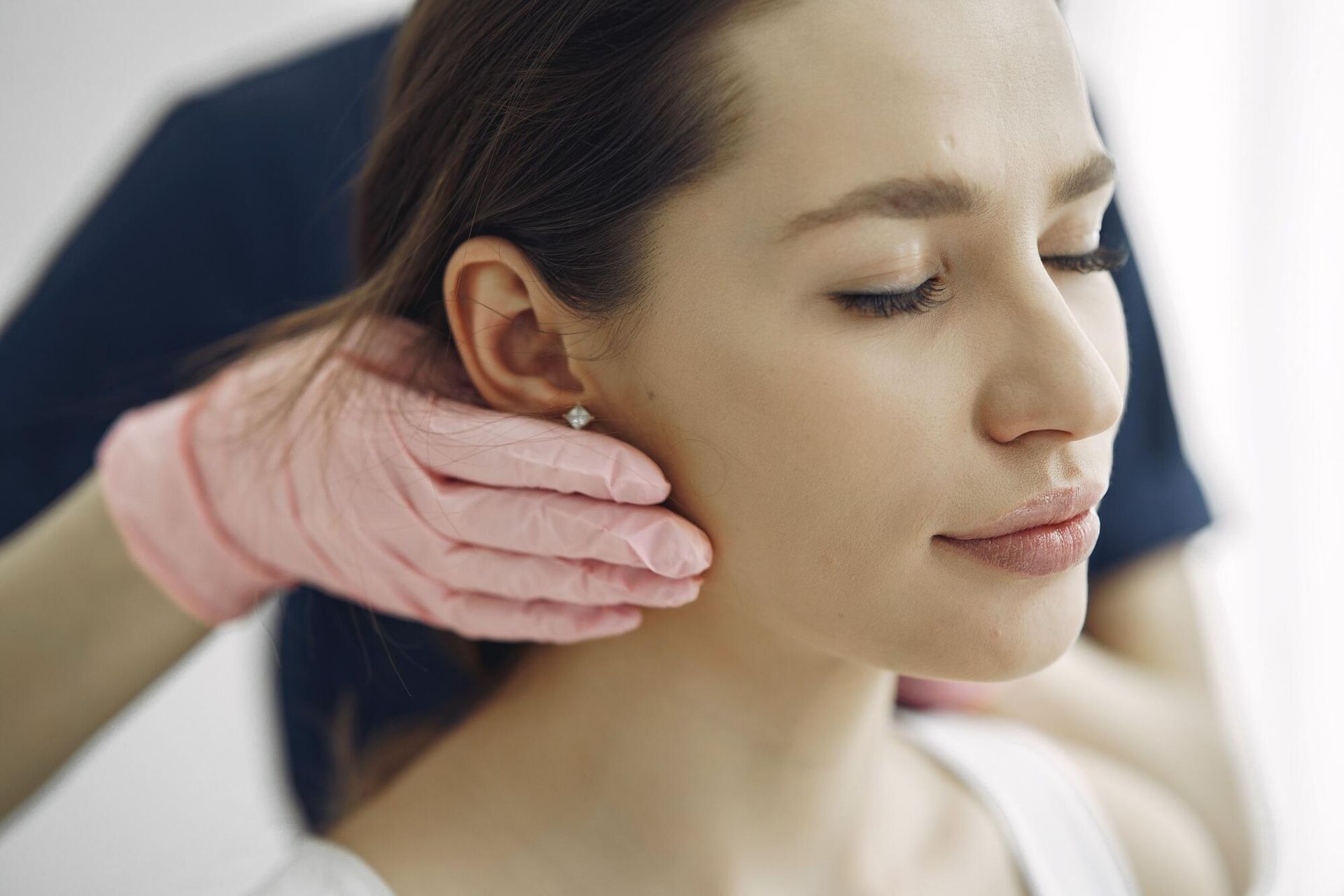
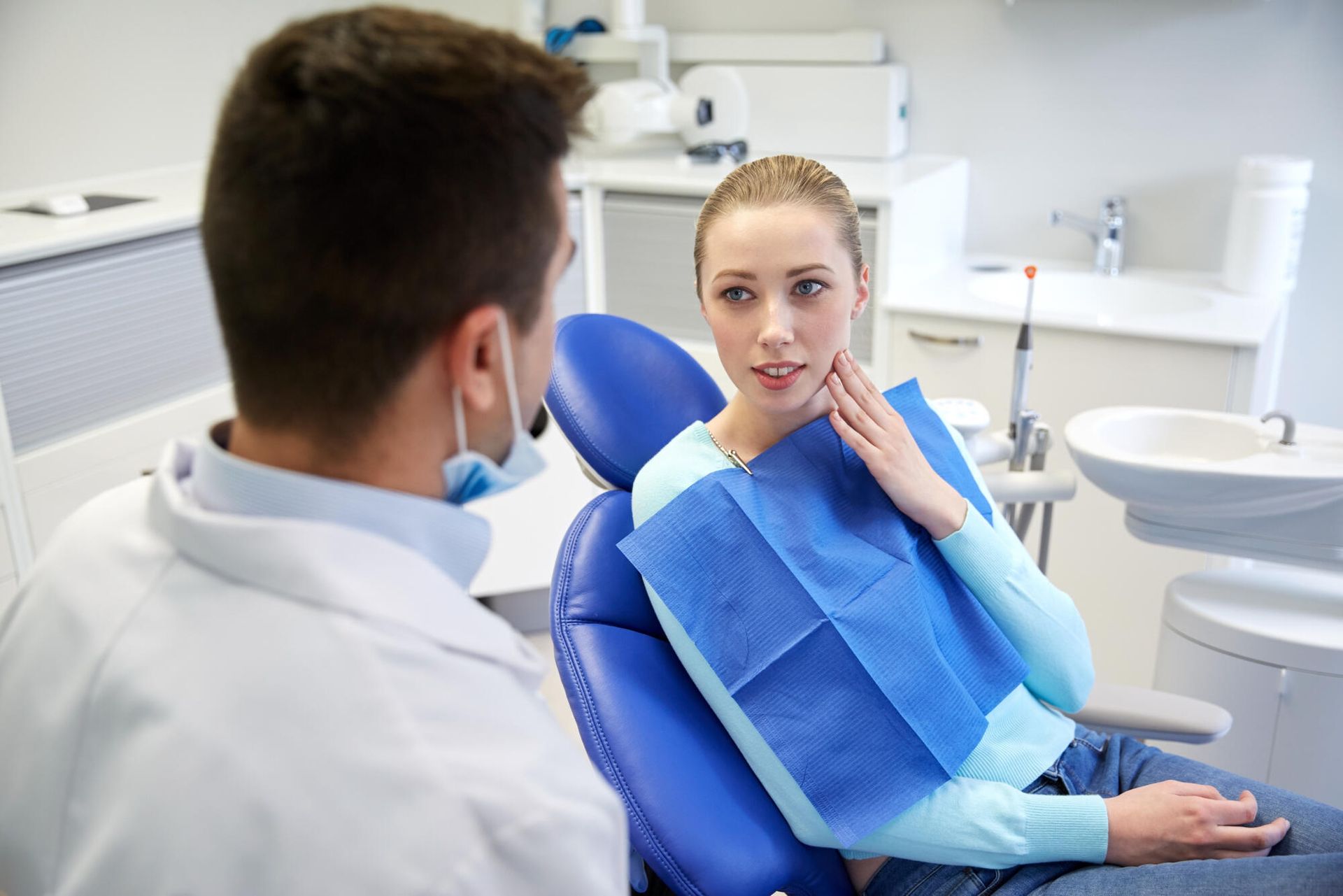
Treatment for jaw clicking or popping depends on the underlying cause and the severity of the symptoms. Many cases can be managed with conservative care that focuses on reducing strain on the temporomandibular joint and allowing the surrounding muscles to relax. Dentists often begin by evaluating jaw movement, bite alignment, and signs of teeth grinding to determine what may be contributing to the problem.
One common approach is to use a custom dental night guard. This appliance fits over the teeth and helps prevent grinding or clenching during sleep, which reduces pressure on the jaw joint. When grinding is a major factor, a night guard can protect the teeth and allow the joint to rest.
Dentists may also recommend jaw exercises designed to improve muscle balance and support smoother joint movement. These exercises focus on gently stretching and strengthening the muscles that control the jaw. In some situations, bite adjustments or restorative dental work may help correct alignment problems that place uneven stress on the joint.
FAQs
Can TMJ Go Away by Itself?
TMJ symptoms can sometimes go away on their own, especially when the issue is caused by temporary muscle strain or short-term stress on the jaw. Mild cases may improve within a few days or weeks once the joint and surrounding muscles have time to rest.
However, TMJ problems do not always disappear without treatment. If symptoms continue for several weeks, the condition may require evaluation by a dentist.
What Is the Best Sleeping Position for TMJ?
The best sleeping position for TMJ is usually on your back with proper support for your head and neck. This position helps keep the jaw, neck, and spine in a neutral alignment, which reduces pressure on the temporomandibular joint. A supportive pillow that keeps the head slightly elevated without pushing the chin toward the chest can help the jaw muscles stay relaxed during sleep.
Sleeping on your side can also work for some people if the pillow keeps the neck aligned with the spine and prevents the jaw from being pushed forward or downward. However, placing pressure directly on the jaw or resting your face heavily into a pillow may increase strain on the joint and surrounding muscles.
Can I Realign My Jaw Myself?
You should not attempt to realign your jaw yourself. Forcing it into a different position can cause additional injury. Trying to push, pull, or manipulate the jaw without proper training may worsen inflammation, strain the joint, or even lead to a temporary jaw lock.
Sometimes people search for ways to "pop" the jaw back into place when they hear clicking or feel discomfort. In many cases, the sound comes from the small disc inside the temporomandibular joint shifting slightly during movement. Attempting to adjust the joint on your own does not correct the underlying issue and can make symptoms worse.
How Do I Choose a Dentist for TMJ?
Look for a dentist who has additional training or continuing education in TMJ therapy, bite analysis, or orofacial pain. Experience matters because TMJ symptoms can have several causes, including teeth grinding, joint inflammation, or bite imbalance. A dentist who treats these conditions is more likely to identify the underlying problem.
Patient reviews, referrals from other healthcare providers, and a consultation visit can also provide useful insight.
Why Does My Jaw Pop? Now You Know
Why does my jaw pop? There are many reasons. The right dentist can help ensure your mouth is protected.
Dr. Bernard W. Lynch offers experienced TMJ evaluation and treatment for patients in Burke, McLean, and Alexandria, VA. With advanced training and a patient-focused approach, his practice is dedicated to identifying the cause of jaw problems and restoring comfortable, healthy function.