How to Tell the Difference Between TMD and an Ear Infection
TMD and ear infections can cause surprisingly similar symptoms, making it difficult to know which one is behind your pain. Both conditions are very common in the United States, and discomfort around the ear does not always mean there is an infection present. TMD can cause pain near the ear, pressure, facial soreness, and discomfort that becomes more noticeable when you chew or move your jaw.
Knowing how to distinguish the two can make it easier to find appropriate care. Differentiating otalgia and TMJ symptoms often involves looking at other signs, such as fever, ear drainage, hearing changes, jaw tenderness, and pain with movement. Assessing jaw joint pain can also help identify TMD as a possible source of ear-related discomfort.
At our practice, we take time to understand your symptoms and examine the jaw before recommending treatment. We can also discuss how to relieve jaw and ear pain based on its underlying cause.
Can TMJ Be Mistaken for Ear Infection?
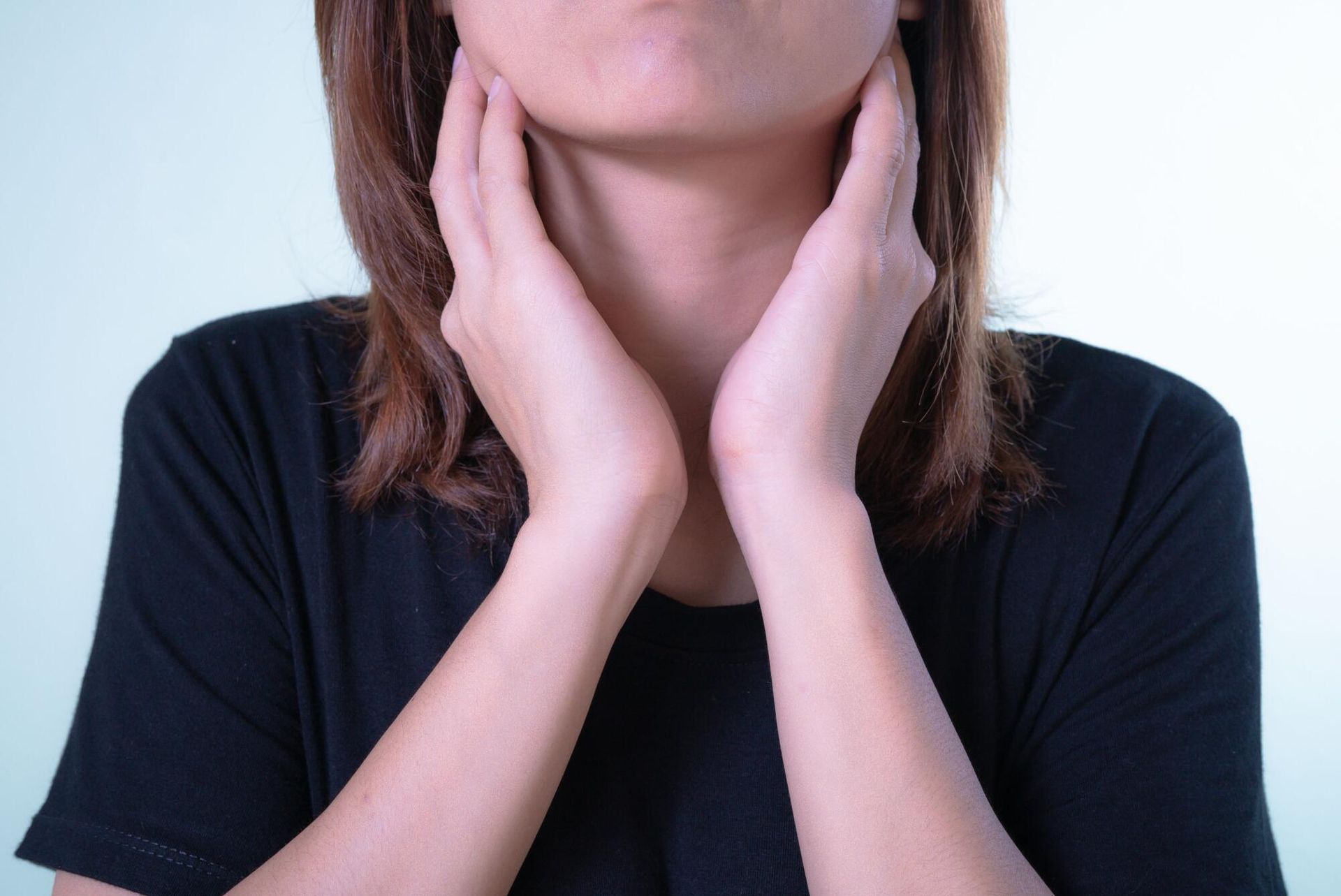
TMD can sometimes feel like an ear infection because the temporomandibular joints sit directly in front of the ears. Pain from the jaw can spread into the ear area, creating an ache or feeling of pressure even when there is no infection.
TMD-related ear symptoms may include fullness, tenderness, aching, or discomfort that becomes more noticeable with jaw movement. Chewing, yawning, or opening the mouth widely can sometimes make the pain worse.
An ear infection tends to involve symptoms originating within the ear itself. Depending on the type of infection, people may experience ear pain, reduced hearing, drainage, fever, or a general feeling of being unwell.
The overlap can make self-diagnosis difficult. Looking at the full pattern of symptoms, including what happens when you move your jaw, can provide useful clues. A professional evaluation can help identify the actual source of the discomfort.
What Symptoms Are More Common With TMD?
TMD can produce several symptoms that are centered around the jaw but may also affect nearby areas. Pain or tenderness around the jaw, face, temples, or ears can all occur with problems involving the temporomandibular joints or surrounding muscles. Some common signs include:
- Jaw pain or tenderness
- Pain while chewing
- Clicking or popping around the jaw
- Jaw stiffness or limited movement
- Facial soreness or headaches
- Ear pressure without obvious infection symptoms
Clenching and grinding can also place extra strain on the jaw muscles. Some people notice their symptoms are worse after waking up, during stressful periods, or after prolonged chewing.
These symptoms do not automatically mean you have TMD. Other conditions can cause similar discomfort, so persistent symptoms deserve an appropriate evaluation rather than an assumption about their cause.
How Do I Know If It's TMJ or an Infection?
The symptoms alone do not always make it easy to tell TMD and an ear infection apart. Certain details can provide useful clues, particularly if the discomfort changes with jaw movement or is accompanied by signs of illness. TMD may be more likely to involve:
- Pain that increases with chewing or jaw movement
- Jaw tenderness or stiffness
- Clicking or popping
- Facial pain or headaches
- Symptoms associated with clenching or grinding
An ear infection may be more likely if you have fever, significant ear drainage, noticeable hearing changes, or feel generally unwell. The location and type of infection can also affect the symptoms.
A dental examination cannot replace an ear examination, and an ear problem should not automatically be attributed to TMD. If the source is unclear, the appropriate healthcare professional can examine the ear and jaw to help determine what is happening.
Why Does TMD Cause Ear Pain and Pressure?
The temporomandibular joint is positioned immediately in front of the ear, while several muscles involved in jaw movement are located around the face and temple. Problems affecting these structures can therefore produce discomfort that seems to come from the ear.
Pain can also be referred from one area to another. Irritation or tension around the jaw may be experienced as aching, pressure, or fullness near the ear, even though there is no infection inside the ear.
Clenching and grinding can increase the workload placed on the jaw muscles. Over time, that tension may contribute to soreness around the jaw, temples, face, and ear area.
Understanding the connection can help explain why someone may experience ear-like symptoms with a healthy ear. A thorough evaluation can help determine if the jaw is contributing to the discomfort and guide appropriate treatment.
When Should Ear Pain Be Checked by a Doctor or Dentist?
Persistent ear pain should not automatically be assumed to come from TMD. An ear infection and other ear conditions may require medical treatment, so symptoms that are severe, unusual, or getting worse deserve attention. Medical evaluation is particularly important if you experience:
- Fever or significant illness
- Fluid or pus coming from the ear
- Sudden or noticeable hearing changes
- Severe or rapidly worsening pain
- Symptoms following an injury
- Pain that does not improve
If the ear appears healthy but you continue to experience pain around the ear, a dental evaluation may help identify a possible jaw-related cause. TMD can produce symptoms that overlap with several ear conditions.
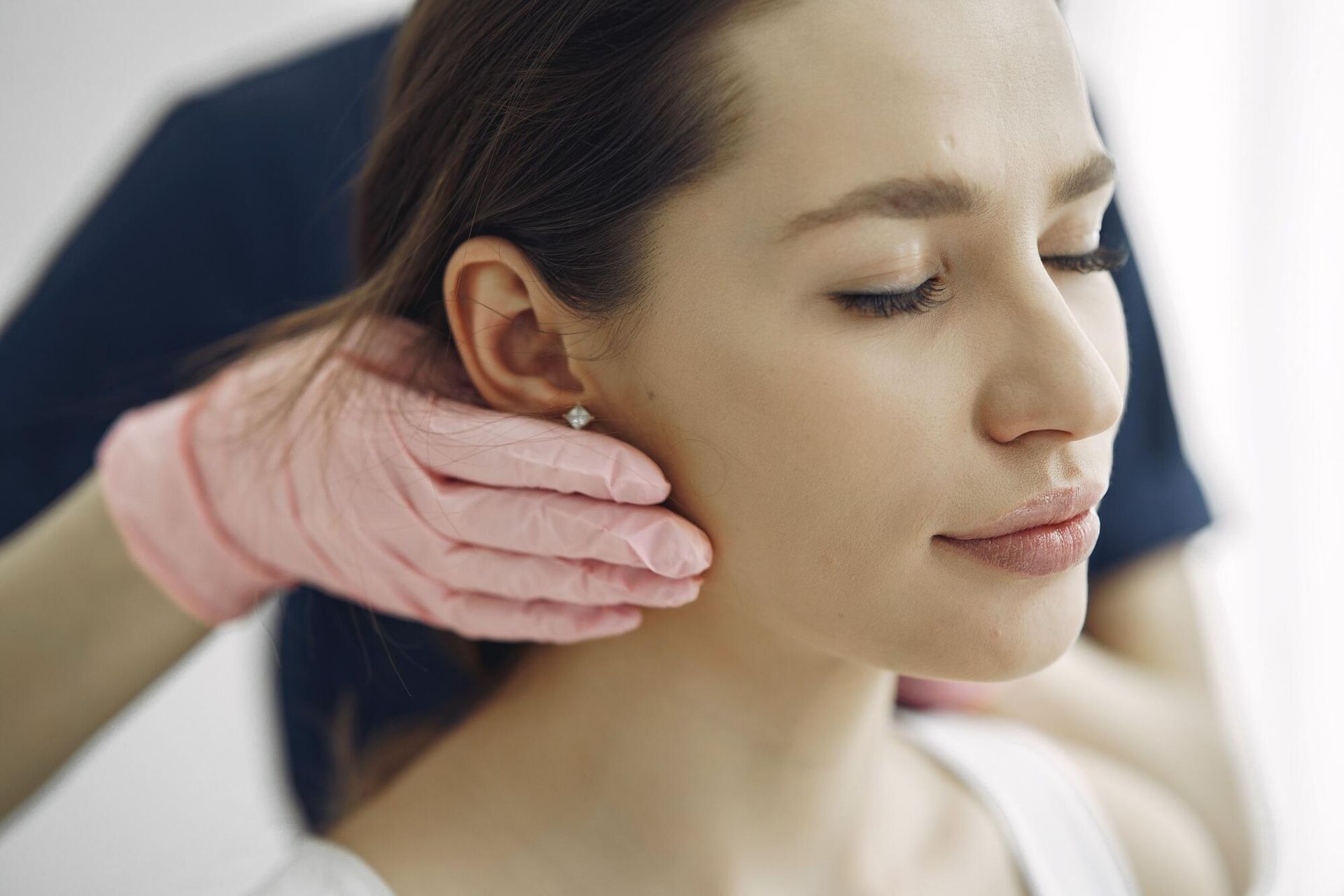
At our practice, we can assess your jaw joints, muscles, and bite for signs that may be contributing to your discomfort. If your symptoms suggest an ear problem instead, appropriate medical evaluation may be recommended.
How Is TMD Treated When Ear Pain Is the Main Symptom?
Treatment for TMD depends on what is causing the jaw and surrounding muscles to become painful. Ear discomfort that originates from the jaw needs a different approach from an actual ear infection. Conservative treatment may include:
- Reducing habits such as clenching and grinding
- Choosing softer foods during painful periods
- Using heat or other supportive measures
- Considering an oral appliance when appropriate
- Addressing muscle tension and jaw discomfort
The goal is to address the factors contributing to TMD rather than simply treating the ear-like symptom. Treatment may also change as your symptoms and jaw function are better understood.
At our practice, we take a comprehensive approach to TMD evaluation and care. Assessing jaw joint pain alongside your other symptoms can help us determine which treatment options may be appropriate for your individual situation.
Frequently Asked Questions
Can TMD Cause a Blocked or Full Feeling in the Ear?
TMD can sometimes create a sensation of fullness, pressure, or blockage around the ear. The temporomandibular joint and surrounding muscles are located close to the ear, so discomfort from the jaw can be perceived in that area. A blocked feeling does not necessarily mean fluid or an infection is present.
Can TMD Cause Ear Pain on Only One Side?
Yes, TMD symptoms can affect one side more than the other. Pain may occur around one jaw joint or primarily involve the muscles on one side of the face. An ear infection can also affect one ear, so the side of the pain alone cannot determine its cause.
Does TMJ Pain Usually Get Worse at Night?
Some people notice more jaw discomfort in the morning or after sleeping because of nighttime clenching or grinding.
Others may experience symptoms later in the day as the jaw muscles become fatigued. The timing of your pain can provide useful information during an evaluation.
Can an Ear Infection Make My Jaw Hurt?
An ear infection can sometimes cause pain that extends toward the jaw or surrounding areas. Pain near the jaw therefore does not automatically indicate TMD.
Other symptoms, including fever, drainage, hearing changes, and the findings of an ear examination, can help determine if an infection is involved.
Can TMD Cause Dizziness or Balance Problems?
Some people with TMD report dizziness or sensations of imbalance, but these symptoms can have many possible causes.
Dizziness should not automatically be attributed to a jaw disorder. Persistent or significant balance problems should be evaluated by an appropriate healthcare professional.
Why Does My Ear Hurt When I Chew?
Pain that becomes more noticeable during chewing can suggest that structures involved in jaw movement are contributing to the discomfort. The temporomandibular joint and jaw muscles work each time you chew, so irritation in these areas may produce pain that feels close to the ear.
Can TMD Symptoms Come and Go?
TMD symptoms can fluctuate over time. Clenching, grinding, stress, prolonged chewing, and changes in jaw use may influence how symptoms feel from one day to another.
Recurring symptoms are still worth discussing with a dentist, particularly if they begin affecting eating, speaking, or daily activities.
Should I Treat Ear Pain at Home If I Think It Is TMD?
Home measures may provide temporary comfort, but persistent ear pain should not be self-diagnosed as TMD. An ear infection or another condition may require different treatment.
Professional evaluation can help determine the source of the pain before you begin treatment.
How to Relieve Jaw and Ear Pain
The bottom line is that knowing how to relieve jaw and ear pain starts with identifying its source. TMD can involve trigger points near ear structures and create symptoms that resemble an infection.
At our practice, Dr. Bernard W. Lynch can assess your jaw and symptoms to determine an appropriate treatment approach.
Schedule a consultation to discuss your discomfort and options.