What Causes TMJ Flare-Ups? A Complete Guide for Northern Virginia Residents
TMJ flare-ups are triggered by stress, teeth grinding, injury, poor posture, and dietary habits that strain the jaw. Underlying conditions, such as arthritis or disc displacement, compound those effects. Identifying your specific triggers is the most direct path to lasting relief.
More than 10 million Americans currently live with TMJ disorders, according to the National Institutes of Health, and for many, the root causes are buried in ordinary routines. Hours at a desk, a stressful workweek, or nightly teeth grinding can push a manageable condition into a painful flare.
This guide covers the full picture, from what's driving your pain to clear, practical steps for managing it, so you can stop guessing and start feeling better.
What Is the TMJ and Why Does It Flare Up?
The temporomandibular joint, your TMJ, connects your lower jaw to your skull, sitting just in front of each ear. It actually works with a small disc of cartilage and surrounding muscles to make chewing, speaking, and yawning possible.
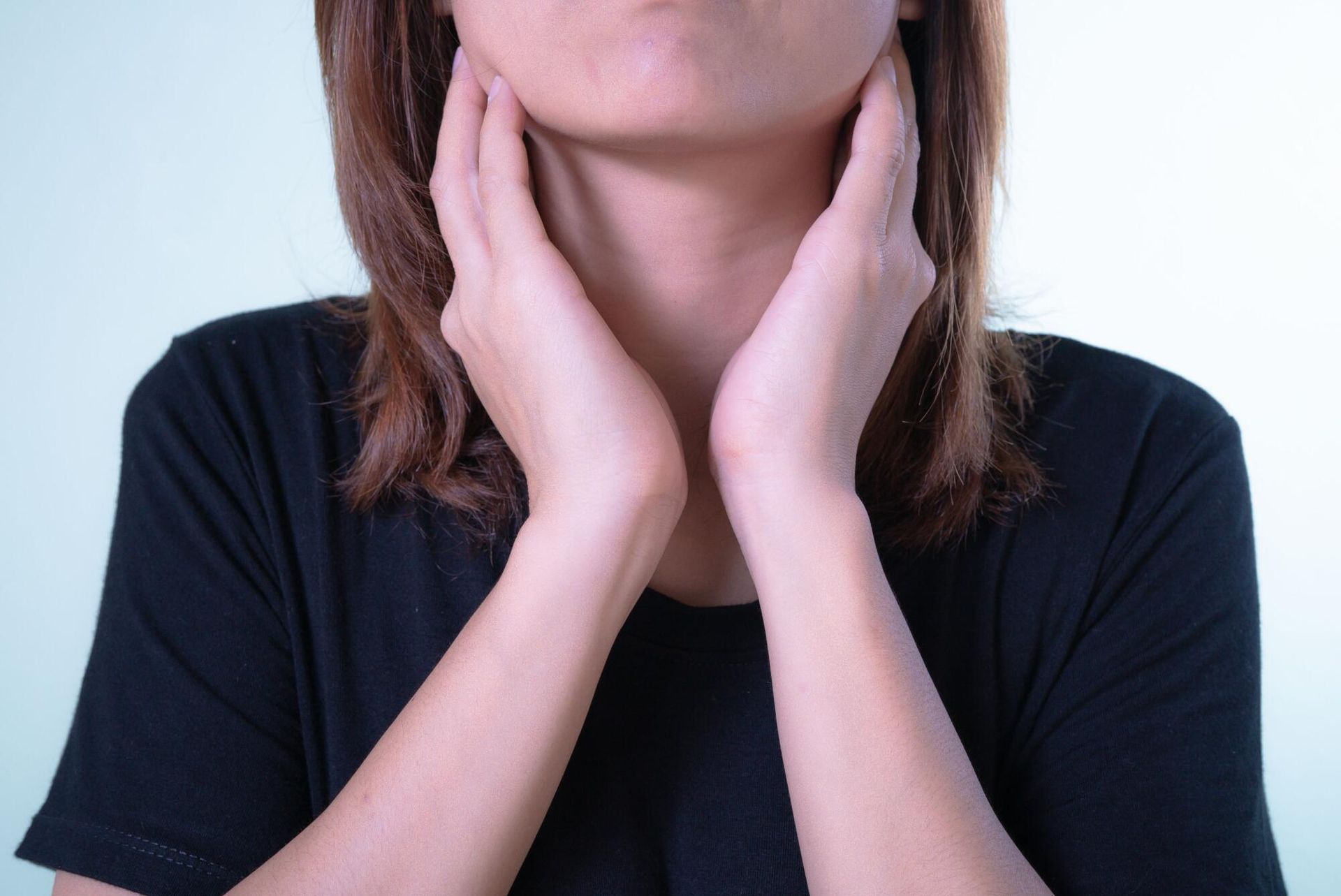
A flare-up occurs when the joint, its disc, or the muscles around it become inflamed or strained. The result is often pain near the jaw or ear, a popping or clicking sensation, stiffness, or difficulty opening and closing the jaw fully.
Among the TMJ symptoms Northern Virginia residents most frequently report are jaw aching, facial soreness, and morning tightness that makes eating uncomfortable. These symptoms can range from mild to quite severe, which is why knowing your specific triggers actually matters.
What Are the Most Common Causes of TMJ Flare-Ups?
The causes of TMJ pain are rarely single-factor. Most people develop symptoms through a combination of habits, physical conditions, and sometimes events completely outside their control.
Stress and Jaw Clenching
Stress is one of the most common flare-up triggers. When you're tense, your jaw muscles typically tighten without you realizing it, building sustained pressure throughout the day.
Teeth Grinding (Bruxism)
Many people grind their teeth at night without ever knowing it. This repeated strain slowly wears down the cartilage inside the joint and keeps the surrounding muscles rather tense and sore.
Physical Injury or Trauma
A blow to the jaw from a sports impact, a car accident, or a fall can damage the joint and surrounding tissues. Symptoms sometimes don't surface right away, so people often connect their pain to an old injury only after it starts to build.
Hormonal Changes
Fluctuations in estrogen and progesterone can trigger joint inflammation. This is one reason women receive a TMJ diagnosis more frequently than men.
Arthritis
Both osteoarthritis and rheumatoid arthritis can erode the cartilage that cushions the joint. The friction that results causes significant pain and reduces jaw mobility over time.
Disc Displacement or Erosion
The cartilage disc inside the joint can shift out of position or break down with repeated strain. When that happens, the joint loses its cushioning, and even ordinary jaw movements can become uncomfortable.
Everyday Habits and Triggers That Worsen TMJ
Some triggers are structural, yet many come from habits you repeat every single day. Small, consistent adjustments can noticeably reduce how often flare-ups occur.
Diet Choices
Certain foods put significant strain on your jaw muscles and push the joint toward inflammation. Chewing gum is a very common culprit, as it keeps the jaw in constant motion with no real rest between contractions.
Foods that tend to worsen TMJ symptoms include:
- Hard candies and ice chips that force the jaw to bite down with significant pressure
- Chewy meats like beef jerky or thick-cut steak put sustained strain on jaw muscles
- Crusty bread, hard pretzels, and raw carrots that require forceful repeated biting
- Sticky foods like caramel, taffy, or dried fruit that overwork the jaw with every bite
Poor Posture
Forward head posture and hunched shoulders create tension that travels up through the neck and into the jaw. People who sit at a desk for long hours are often the most affected by this type of misalignment.
Dehydration and Vitamin D Deficiency
Without enough water, the joint loses lubrication and becomes more prone to irritation and swelling. Low vitamin D levels can compound this by amplifying the muscle pain that comes with TMJ symptoms.
Sleep Position
Sleeping face down places uneven pressure on the jaw throughout the night. Switching to your back or side is actually a far better position for keeping the joint properly supported.
Relieving a TMJ Flare-Up
When a flare-up strikes, you naturally want relief as quickly as possible. The TMJ relief strategies below can calm inflammation and ease muscle tension fairly quickly.
Cold and Warm Compresses
A cold pack can really help reduce active swelling, and a warm compress relaxes tight muscles around the joint. Apply either for 15 to 20 minutes at a time, and keep a cloth between the pack and your skin.
Rest the Jaw
Minimizing jaw activity gives the joint time to recover. Try to limit wide yawning, extended talking, and repetitive jaw movements until your symptoms actually settle.
Gentle Jaw Stretching
Mild stretching exercises can improve mobility and ease stiffness in the joint. Move very slowly and stop right away if any movement increases your pain.
Long-Term Management and When to Seek Professional Care
Managing TMJ over the long term means looking at both daily habits and clinical care options. The right TMJ treatment options, combined with lifestyle changes, can really reduce how often and how severely flare-ups occur.
Build Healthy Stress and Lifestyle Habits
Chronic stress is one of the most persistent drivers of jaw clenching and grinding. Techniques like deep breathing, yoga, and short meditation sessions tend to reduce muscle tension throughout the body.
A professionally fitted night guard protects the joint from grinding damage during sleep. Staying hydrated and correcting your posture at a desk are just as important for long-term joint health.
Know When to See a Specialist
Some flare-ups respond to home care, yet others really do need a professional's attention. The following signs suggest you should consult a dentist in Northern Virginia who specializes in TMJ disorders:
- Jaw pain that persists beyond a few days with no improvement
- A jaw that locks, won't fully open, or frequently gets stuck
- Pain that spreads into the neck, ear, or temple on a regular basis
- Worsening symptoms that don't respond to rest or home care
Dr. Bernard W. Lynch sees patients across three Northern Virginia locations. His practice offers sedation dentistry for those who find the dental chair stressful, making it easier to get the care you need.
Frequently Asked Questions
Is TMJ the Same Thing as TMD?
These two terms often get used interchangeably, and the confusion is completely understandable. TMJ refers to the temporomandibular joint itself, the joint sitting just in front of each ear.
TMD, or temporomandibular disorder, is the broader clinical term for any condition affecting that joint, the muscles around it, or both. Dentists tend to use TMD more often in clinical settings, so you may hear it frequently if you seek professional care.
Can TMJ Flare-Ups Cause Ear Pain, Ringing, or Pressure?
Yes, and this is one of the most widely misunderstood aspects of TMJ disorders. The joint sits directly in front of the ear canal, so inflammation in the area can create sensations that very closely mimic an ear infection, including tinnitus, muffled hearing, or a feeling of pressure inside the ear. Many people seek ear treatment first, only to find the source is actually the jaw.
Can Children or Teenagers Develop TMJ Disorders?
TMJ disorders appear most commonly in adults, but they can develop in younger people, too. Adolescents going through jaw growth, those in orthodontic treatment, or anyone who has had a facial injury faces a somewhat higher risk.
A general or pediatric dentist can evaluate these symptoms and help families decide on the right next steps, which might include monitoring, a custom appliance, or a referral to a specialist.
Does Dental Insurance Typically Cover TMJ Treatment?
Coverage varies quite a bit and depends heavily on your specific plan. Some insurers classify TMJ care under dental coverage, and others route it through medical insurance; some plans even split it across both.
Calling your provider before starting treatment is a smart move. Ask about pre-authorization for imaging or appliances, and find out if a physician referral is needed first.
Can a TMJ Flare-Up Signal a More Serious Condition?
In some cases, yes. Persistent or worsening symptoms, particularly those that come with facial swelling, jaw locking, or changes in sensation, warrant a professional evaluation. Conditions like autoimmune disorders, significant joint damage, or nerve involvement can sometimes produce symptoms that overlap with typical TMJ disorders.
Getting an accurate diagnosis early means you'll receive the right care sooner, rather than managing symptoms that may point to something else entirely.
Find Expert TMJ Care Right Here in Northern Virginia
Understanding what drives TMJ flare-ups gives you real leverage over your symptoms. The causes are varied, but they're manageable with the right combination of daily habits and professional care.
Dr. Bernard W. Lynch offers care across three Northern Virginia locations in Burke, McLean, and Alexandria. As a Fellow of the Academy of General Dentistry (a distinction held by fewer than 1% of dentists nationwide), Dr. Lynch provides advanced TMJ treatment and sedation options for maximum comfort.
Request a consultation and get the personalized answers your jaw health deserves.