When Your Jaw Locks: Recognizing the Red Flags of TMD
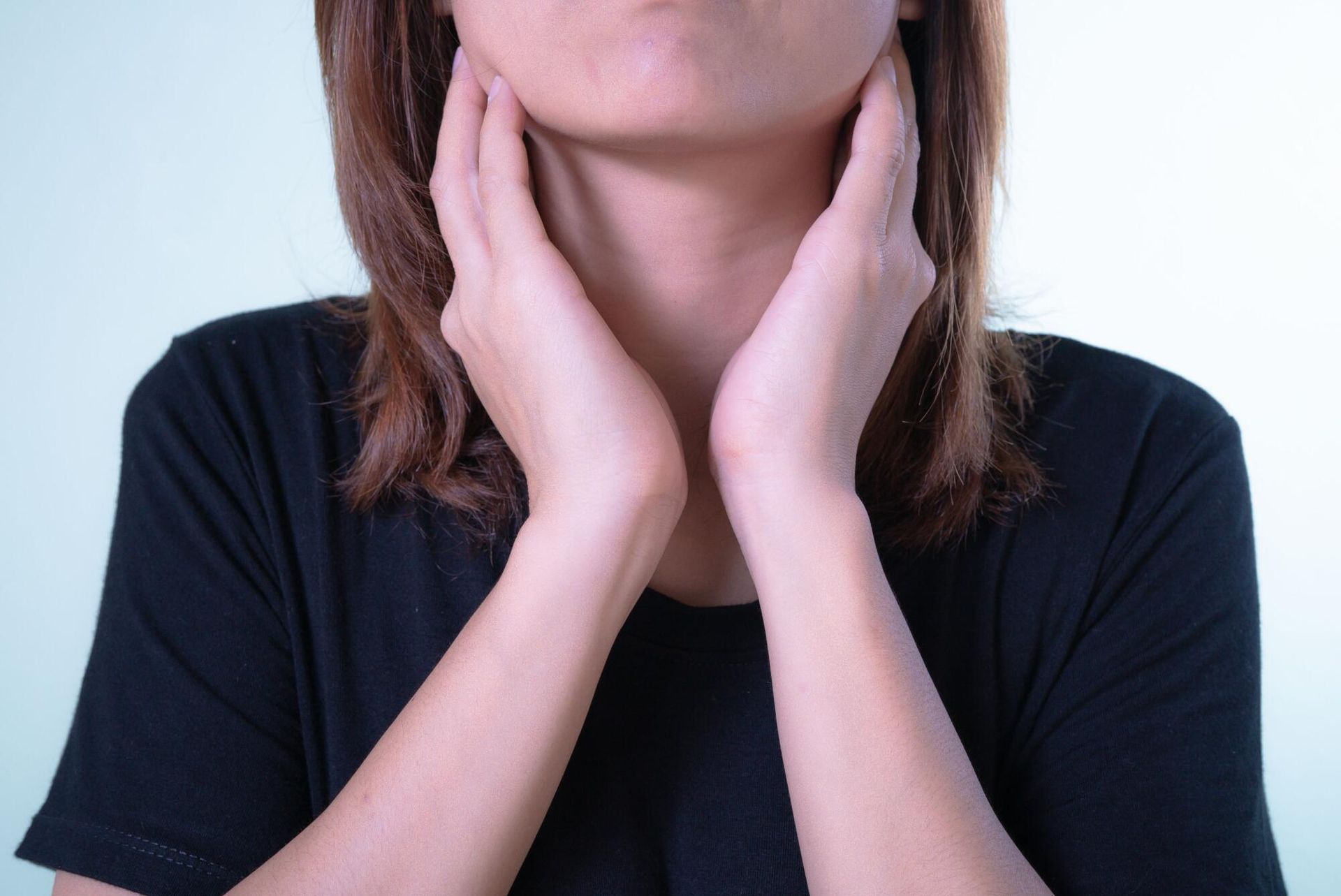
Jaw locks can be one of the clearest warning signs of temporomandibular joint disorder, also known as TMD. When your jaw suddenly sticks, clicks, or becomes painful during eating or speaking, it may point to joint inflammation, muscle strain, or disc problems inside the jaw.
According to the National Institute of Dental and Craniofacial Research, an estimated 5% to 10% of people in the United States experience some form of TMD. That number highlights how common jaw pain, stiffness, and locking episodes have become, especially in adults dealing with stress, grinding, or bite problems.
A locked jaw can feel sudden and alarming. Simple actions like chewing, yawning, or speaking may trigger sharp discomfort or leave your mouth stuck open for a few seconds. Small warning signs matter early.
Why Does Your Jaw Suddenly Lock?
Jaw locking often happens when the temporomandibular joint becomes irritated or strained. Teeth grinding, stress, arthritis, or uneven bite pressure can all affect how the joint moves during daily activities like chewing or talking.
Some people notice the jaw locks for only a few seconds, while others struggle to fully open or close their mouths. Pain near the ear, popping sounds, and tight facial muscles are also common jaw locking symptoms linked to understanding
TMJ disorders.
Can Jaw Locking Become Worse Over Time?
Jaw problems can gradually worsen when the joint stays inflamed or overworked for long periods. Repeated strain may increase stiffness, discomfort, and limited movement in the jaw muscles and surrounding tissues.
Ignoring early TMD warning signs may also lead to headaches, neck tension, and trouble eating certain foods. Seeking help early may support better jaw movement and improve comfort before symptoms become harder to manage.
Common Triggers Behind Jaw Locking
Jaw locking often develops from repeated stress placed on the temporomandibular joint and nearby muscles. Daily habits like clenching your teeth, chewing gum for long periods, or grinding your teeth during sleep can slowly strain the jaw until movement becomes painful or restricted. Stress can also tighten facial muscles and increase pressure around the joint.
Some people notice symptoms after dental work, facial injuries, or arthritis begins affecting the jaw area. Others experience problems because the small disc inside the joint shifts out of place during movement.
Small habits can create lasting tension. Understanding TMJ disorders becomes easier when you recognize how simple routines may contribute to inflammation and stiffness over time.
Several triggers are commonly linked to jaw locking symptoms:
- Teeth grinding
- Jaw clenching
- Poor posture
- Stress tension
- Gum chewing
- Sleep issues
Treating jaw pain early may reduce the odds of severe locking episodes later. Paying attention to these triggers can help protect jaw movement before discomfort begins interfering with eating, speaking, or daily comfort.
Warning Signs You Should Not Ignore
Many people dismiss jaw discomfort at first because the symptoms seem minor or temporary. A faint clicking sound, tightness while chewing, or soreness near the ear may not feel serious in the beginning, but these small changes can signal growing joint stress. Over time, the pain may become more frequent and harder to manage.
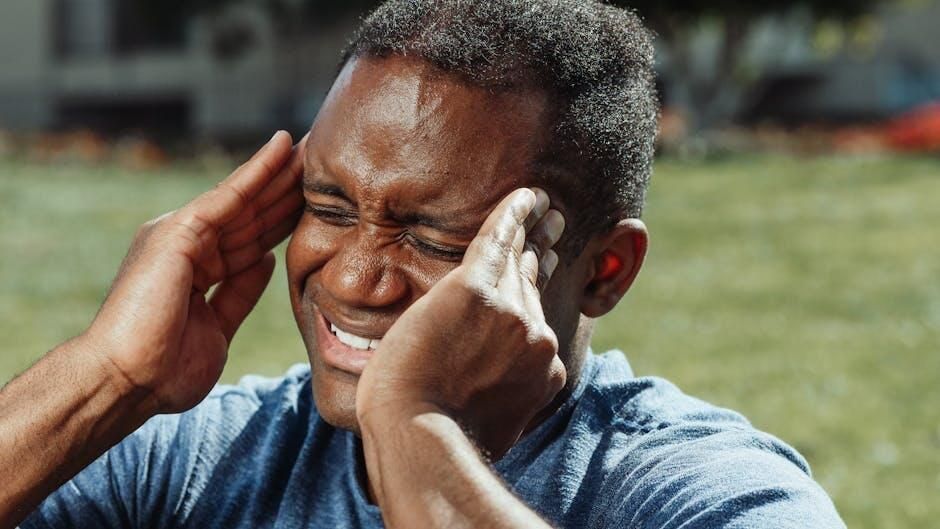
Jaw locking symptoms often appear alongside headaches, facial pressure, neck stiffness, or pain when opening the mouth wide. Some people also notice the jaw shifts unevenly or feel tired after talking for long periods.
Pain that keeps returning deserves attention. TMD warning signs can slowly affect sleep quality, eating habits, and daily comfort when left untreated. Several symptoms may point toward worsening joint problems:
- Clicking sounds
- Ear discomfort
- Limited movement
- Facial soreness
- Neck tension
- Jaw stiffness
Unlocking jaw techniques may provide temporary relief during mild episodes, but recurring symptoms should not be ignored. Treating jaw pain early may help reduce inflammation, improve movement, and limit further strain placed on the jaw joint and surrounding muscles.
How Stress Affects the Jaw Joint
Stress can place surprising pressure on the muscles and joints connected to your jaw. Many people tighten their jaw without realizing it during work, sleep, or emotionally tense situations. Constant muscle tension may slowly irritate the temporomandibular joint and increase the chances of painful locking episodes.
Clenching and grinding are especially common during stressful periods. These habits can wear down the teeth, strain facial muscles, and create inflammation inside the joint itself.
Some people wake up with soreness around the cheeks or temples because the jaw stayed tense overnight. Emotional stress often becomes physical tension. Understanding TMJ disorders includes recognizing how mental strain can directly affect jaw comfort and movement.
Stress-related jaw problems may include:
- Morning soreness
- Teeth grinding
- Facial tension
- Temple headaches
- Tight muscles
- Sleep disruption
TMD warning signs connected to stress should not be overlooked. Treating jaw pain may involve relaxation methods, posture improvements, or reducing habits that place excess pressure on the joint. Simple changes in daily routine can sometimes make a noticeable difference in jaw flexibility and overall comfort.
Ways to Reduce Jaw Strain at Home
Small daily adjustments can sometimes help reduce pressure placed on the jaw joint and surrounding muscles. Choosing softer foods, avoiding wide yawning, and limiting hard chewing may give the joint time to settle when irritation begins to develop. Gentle heat packs can also relax tight muscles around the face and neck.
Posture plays a larger role than many people realize. Looking down at phones for long periods or sitting with rounded shoulders may increase tension in the neck and jaw area.
Some people also benefit from slow stretching exercises that encourage smoother movement in the joint. Simple routines can ease constant tension. Treating jaw pain early at home may help prevent discomfort from becoming more severe over time.
Helpful habits that may support jaw comfort include:
- Softer foods
- Better posture
- Heat therapy
- Gentle stretches
- Stress reduction
- Sleep support
Unlocking jaw techniques should always be approached carefully, especially if locking episodes become painful or frequent. Jaw locking symptoms that continue despite home care may require professional evaluation to identify deeper joint or muscle problems.
When Professional Treatment May Be Needed
Jaw discomfort that keeps returning may signal a deeper issue inside the joint or surrounding muscles. Occasional soreness after chewing is common, but frequent locking, swelling, or pain while speaking can point toward worsening TMD warning signs that deserve professional attention before the condition progresses further.
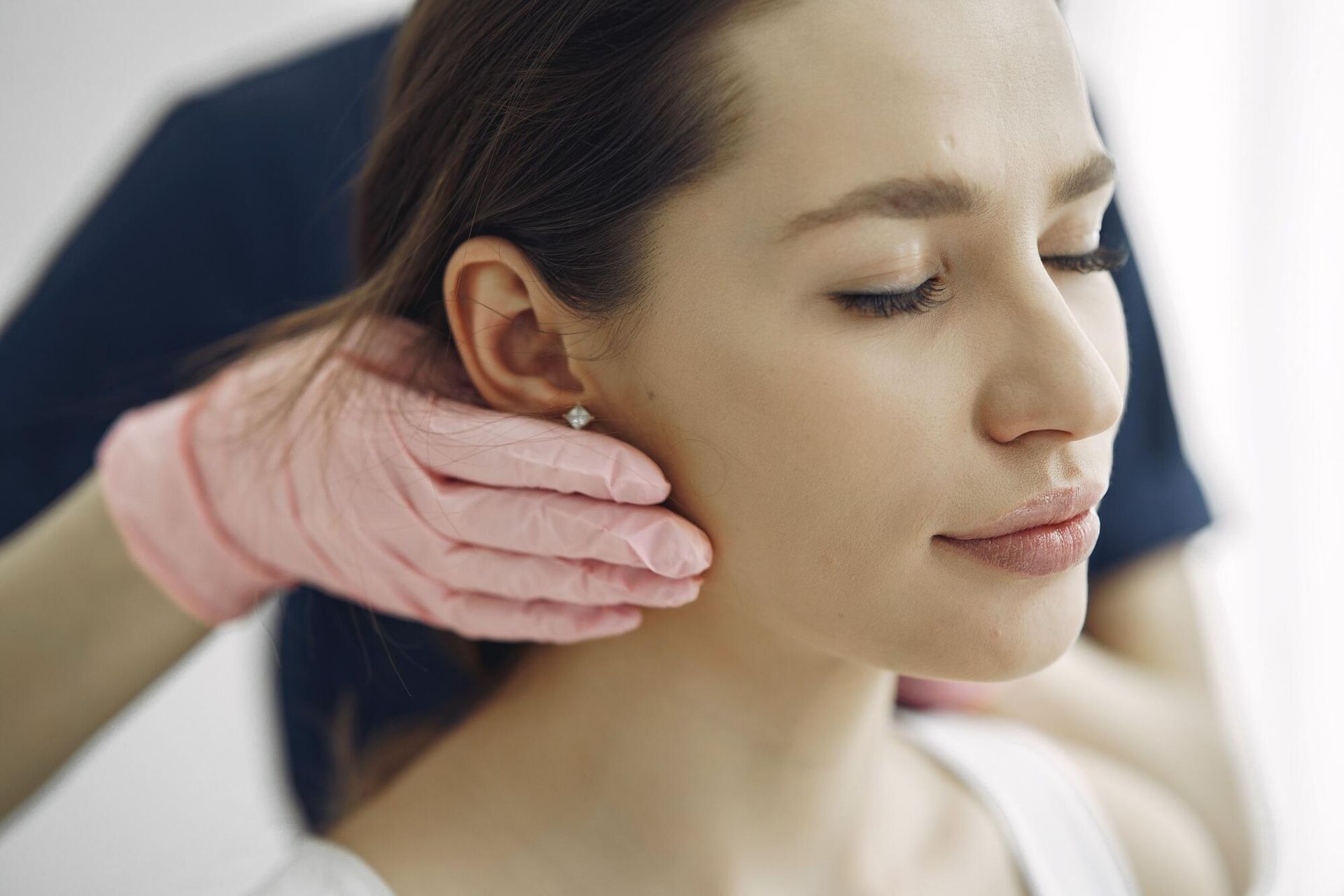
A TMJ specialist may evaluate how the jaw opens and closes, check for bite imbalance, and look for inflammation affecting the joint. Some people develop problems because the cushioning disc inside the jaw shifts during movement, while others experience chronic muscle tension connected to stress or grinding habits.
Long-term pain rarely improves by ignoring it. Understanding TMJ disorders often requires identifying the exact source of pressure causing the irritation.
Professional treatment plans vary depending on the severity of the symptoms. Care may include physical therapy, bite appliances, posture guidance, or targeted methods for treating jaw pain and reducing muscle strain. In more severe cases, imaging may help reveal joint damage or restricted movement patterns.
Common reasons people seek treatment include:
- Repeated jaw locking
- Ongoing facial pain
- Difficulty chewing
- Limited jaw movement
- Chronic headaches
- Clicking sounds
Unlocking jaw techniques may help during mild episodes, but recurring jaw locking symptoms should always be evaluated when they begin interfering with daily comfort or normal jaw function.
Frequently Asked Questions
Can Stress Cause Jaw Locking?
Yes, stress can increase muscle tension around the jaw and lead to clenching or teeth grinding. Over time, that pressure may irritate the joint and contribute to jaw locking symptoms or facial discomfort.
What Are Common TMD Warning Signs?
Common TMD warning signs include clicking sounds, jaw stiffness, headaches, facial soreness, and difficulty chewing. Some people also notice pain near the ears or limited jaw movement during speaking or eating.
Can Jaw Locking Go Away on Its Own?
Mild cases sometimes improve with rest,
stress reduction, and softer foods. Recurring locking episodes, however, may point to deeper joint problems that require professional evaluation and treating jaw pain more directly.
Are There Safe Unlocking Jaw Techniques?
Gentle relaxation and slow jaw movement may help during mild stiffness. Forcefully pushing the jaw open should be avoided because it can increase irritation or worsen the joint strain.
When Should You See a TMJ Specialist?
Professional care may be needed if pain becomes frequent, the jaw repeatedly locks, or chewing becomes difficult. Understanding TMJ disorders early may help prevent long-term discomfort and improve jaw function sooner.
Managing Jaw Locks Before Symptoms Worsen
Jaw locks may seem minor at first, but repeated stiffness, pain, or clicking can signal growing stress within the jaw joint. The right care for jaw pain should feel calm, personal, and genuinely supportive from the moment you walk through the door.
Dr. Bernard W. Lynch brings advanced TMJ treatment experience and sedation dentistry options for anxious patients. Indeed, he has extensive post-graduate training through institutions like the Dawson Academy and the Pankey Institute to help patients improve jaw function and daily comfort.
His patient-centered approach combines modern dental technology with individualized treatment plans designed to reduce discomfort and support healthier movement within the jaw joint. As a Fellow of the Academy of General Dentistry, Dr. Lynch has earned a distinction achieved by only a small percentage of dentists nationwide.